



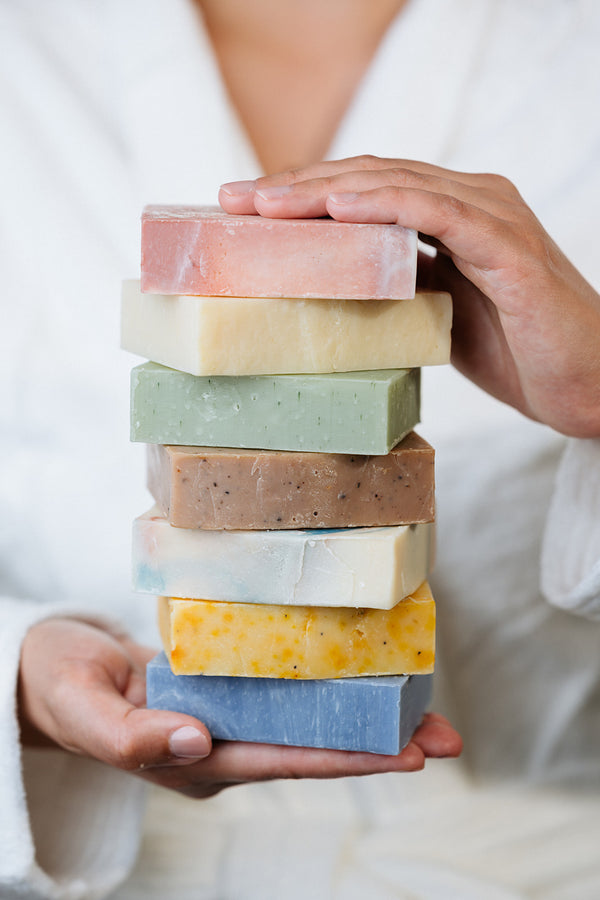
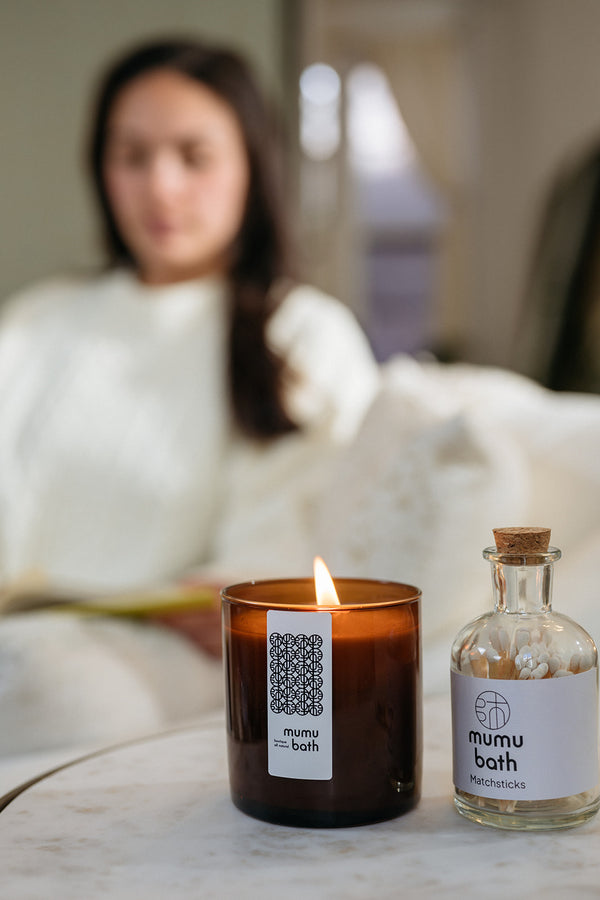
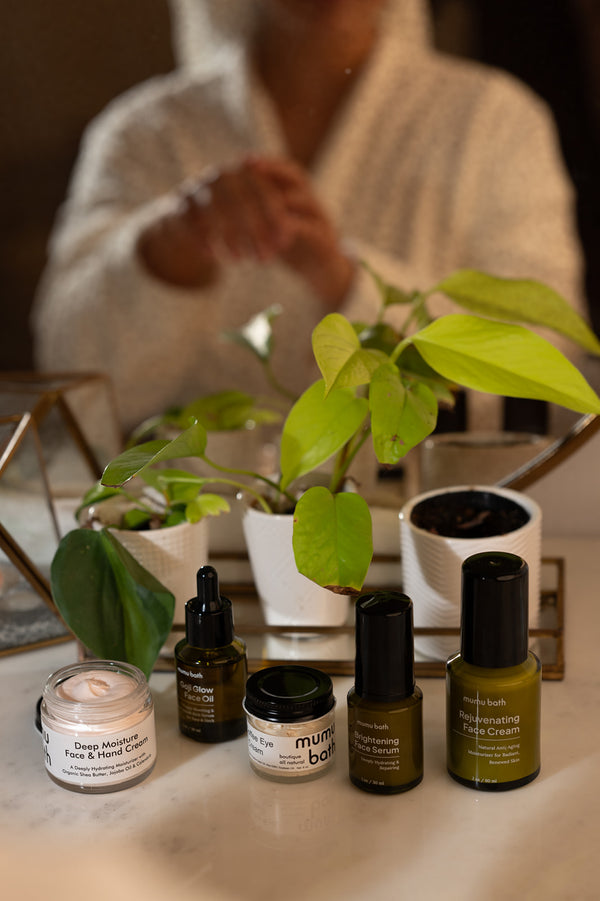

Tea-based skincare has gained strong attention due to its natural cleansing and skin-supporting properties. Among these, tea soap stands out as a gentle yet effective option for maintaining healthy skin. It combines plant-based ingredients with tea extracts known for their antioxidant and antibacterial qualities. These properties help support clearer, cleaner, and more balanced skin without harsh chemicals.
Tea-based soaps are designed for people who prefer natural skincare solutions that align with modern wellness practices. They are suitable for daily use and work well across different skin types. Understanding how these soaps function can help you choose the right product for your skincare routine.
What is Tea Soap?
Definition of Tea-Based Soap
Tea soap is a type of natural soap that incorporates tea extracts such as green tea, matcha, or tea tree oil. These ingredients are blended with natural oils and cleansing agents to create a balanced skincare product. The purpose is to provide cleansing along with added skin benefits derived from tea compounds.
How Tea Ingredients Are Used in Soap Formulation
Tea ingredients are integrated into soaps in the form of extracts, oils, or powdered leaves. These components retain beneficial compounds that support skin health. During the soap-making process, they are combined with natural oils to ensure a smooth and nourishing cleansing experience.
Why Tea is Popular in Skincare Products
Tea is widely used in skincare due to its natural composition and beneficial compounds.
- Contains antioxidants that help protect the skin
- Supports antibacterial cleansing properties
- Helps maintain skin clarity
- Works well with various skin types
- Blends easily with other natural ingredients
These qualities make tea an important ingredient in herbal skincare formulations.
Types of Tea-Based Soaps
Tea-based soaps come in different variations, each offering unique benefits depending on the type of tea used. These variations allow users to choose products based on their specific skincare needs.
Tea Tree Soap
Tea tree soap is known for its cleansing and purifying properties. It is commonly used in formulations designed for oily or acne-prone skin. Its natural compounds help support a cleaner and fresher skin surface.
Tea Oil Soap
Tea oil soap is made using oil extracted from tea seeds. It is rich in nutrients that help nourish and moisturize the skin. This type of soap is often used for maintaining hydration and softness.
Matcha Green Tea Soap
Matcha-based soap is valued for its high antioxidant content. It helps support skin protection and promotes a brighter appearance. You can explore more about formulations like avocado oil soap which are often paired with natural skincare routines.
Herbal Tea Infused Soaps
These soaps combine multiple herbal ingredients along with tea extracts. They provide a balanced approach to cleansing and skincare by combining various plant-based benefits.
Benefits of Tea Tree Soap for Skin
Tea tree soap is widely recognized for its cleansing and antibacterial properties. It is often included in skincare routines that focus on maintaining clear and healthy skin. Its natural composition makes it suitable for regular use.
Antibacterial Properties
Tea tree oil contains compounds that help reduce bacteria on the skin surface. This supports a cleaner and more balanced skin environment.
Helps Control Acne and Breakouts
Tea tree soap is often used to manage excess oil and impurities.
- Helps reduce buildup of dirt and oil
- Supports clearer pores
- Maintains a balanced skin surface
- Assists in minimizing breakouts
Supports Skin Purification
Regular use of tea tree soap helps remove impurities from the skin. This contributes to a refreshed and clean feeling after cleansing.
Suitable for Oily and Combination Skin
Tea tree soap works well for skin types that produce excess oil. It helps maintain balance without over-drying the skin.
Benefits of Matcha Green Tea Soap
Matcha green tea soap is valued for its antioxidant-rich composition. It is designed to support skin protection and promote a healthy appearance. Its gentle formulation makes it suitable for daily use.
Rich in Antioxidants
Matcha contains natural antioxidants that help support skin defense against environmental stressors.
Helps Fight Free Radicals
Free radicals can affect skin quality over time. Matcha soap helps provide a protective layer through its natural compounds.
Supports Skin Brightness and Clarity
Matcha-based cleansing helps improve the overall look of the skin.
- Promotes a more even skin tone
- Supports clarity and smoothness
- Helps reduce dullness
- Enhances natural glow
Gentle Cleansing for Daily Use
Matcha soap is mild and suitable for frequent use. It cleanses without stripping essential moisture from the skin.
How Tea Soap Supports Healthy Skin
Tea-based soaps are designed to provide both cleansing and nourishment. Their natural composition helps maintain skin balance while delivering essential benefits.
-
Natural Cleansing Without Harsh Chemicals
Tea soaps avoid synthetic detergents and rely on plant-based ingredients. This ensures a gentler cleansing process.
-
Balances Oil Production
Tea ingredients help regulate excess oil on the skin. This supports a balanced and clean appearance.
-
Helps Maintain Skin Texture
Regular use of tea soap contributes to smoother and more refined skin texture.
-
Provides Refreshing and Soothing Effects
Tea-based formulations often provide a calming sensation during use. This enhances the overall bathing experience.
You can also explore complementary products like foaming bubble bath to support a complete and relaxing skincare routine.
Tea-Based Soap vs Regular Soap
Understanding the difference between tea-based soaps and regular soaps helps in making informed skincare choices. The primary difference lies in ingredients and their impact on the skin.
-
Ingredient Differences
Tea-based soaps use natural extracts, while regular soaps may include synthetic additives. Natural formulations focus on plant-based cleansing agents.
-
Skin Impact Comparison
Tea soaps are generally milder and more supportive of long-term skin health. Regular soaps may sometimes strip natural oils due to harsh components.
-
Long-Term Benefits of Herbal Cleansing
Herbal soaps provide ongoing benefits such as improved hydration, balanced oil levels, and reduced irritation. These qualities contribute to healthier skin over time.

How to Choose the Right Tea Soap
Selecting the right tea soap requires careful consideration of ingredients and skin type. Not all formulations are the same, so it is important to evaluate product details.
Consider Your Skin Type
Different tea soaps are suitable for different needs.
- Oily skin benefits from tea tree soap
- Dry skin benefits from oil-based formulations
- Sensitive skin requires gentle and fragrance-free options
Check Ingredient Quality
Look for soaps made with natural tea extracts and plant-based oils. High-quality ingredients ensure better results.
Look for Natural Tea Extract Concentration
The effectiveness of tea soap depends on the concentration of tea-derived ingredients. Products with balanced formulations provide better skincare support.
Avoid Synthetic Additives
Avoid soaps that include artificial fragrances, dyes, or harsh chemicals. These may reduce the benefits of natural ingredients.
Why Tea-Based Soaps Are Gaining Popularity
Tea-based soaps are becoming increasingly popular due to the growing demand for natural skincare solutions. People are shifting toward products that align with healthier lifestyle choices.
-
Rise of Herbal Skincare Trends
Herbal skincare focuses on using plant-based ingredients that are gentle and effective. Tea soaps fit well into this category.
-
Demand for Natural and Organic Products
Consumers are more aware of ingredient safety and transparency. This has increased interest in natural cleansing products.
-
Growing Awareness of Ingredient Safety
People now prefer products that avoid harmful chemicals. Tea-based soaps provide a safer alternative with proven benefits.
Where to Find High-Quality Tea Soaps
Choosing a trusted source ensures product quality and consistency. Brands that focus on natural formulations usually provide better ingredient transparency and reliability.
If you need assistance or more information, you can always contact Mumu Bath for guidance and support.
When selecting a brand, consider the following points:
- Transparency in ingredient sourcing
- Use of natural and plant-based components
- Clear product descriptions
- Consistent quality standards
- Availability of customer support
Conclusion
Tea-based soaps offer a natural and effective way to support healthy skin through gentle cleansing and beneficial plant compounds. Their antioxidant and antibacterial properties make them a valuable addition to modern skincare routines. With options such as tea tree soap and matcha green tea soap, users can choose formulations that match their specific skin needs.
These soaps provide a balance between cleansing and nourishment without relying on harsh chemicals. They help maintain skin clarity, support hydration, and promote overall skin wellness. As awareness of natural skincare continues to grow, tea-based soaps remain a reliable and beneficial choice for daily use.
FAQs
1. What is tea soap used for?
Tea soap is used for cleansing the skin while providing additional benefits such as antibacterial protection and antioxidant support through natural tea extracts.
2. Is tea tree soap good for acne?
Tea tree soap is commonly used for acne-prone skin because of its antibacterial properties that help reduce excess oil and impurities.
3. Can matcha soap improve skin health?
Matcha soap contains antioxidants that help support skin protection, improve clarity, and maintain a healthy appearance.
4. Is tea soap suitable for sensitive skin?
Tea soap can be suitable for sensitive skin if it is formulated with gentle ingredients and free from harsh additives.
5. How often should tea soap be used?
Tea soap can typically be used daily as part of a regular skincare routine, depending on individual skin needs and product formulation.
Related Posts
View All
Jun 27, 2026
How Scented Candles Enhance Bath Relaxation and AmbienceA relaxing bath is one of the simplest yet most effective ways to unwind after a long day. While warm water helps soothe the body,...

Jun 27, 2026
Avocado Oil Soap: Deep Hydration for Dry and Sensitive SkinDry and sensitive skin requires more than just cleansing—it needs nourishment, hydration, and protection. Harsh cleansers often strip away natural oils, leaving the skin feeling...

Jun 25, 2026
Chemical-Free Body Wash: Why Eco-Friendly Cleansing MattersWhen it comes to personal care, the products we use every day can significantly impact our health and the environment. Many conventional body washes contain...

Jun 24, 2026
Clay Soap Benefits: Detoxify and Purify Your Skin NaturallyTaking care of oily and acne-prone skin can often feel like a challenge. Excess sebum production, clogged pores, and environmental impurities can contribute to frequent...

May 29, 2026
Why Matcha Soap is the Secret to Clear and Glowing SkinIn the ever-evolving world of skincare, natural ingredients continue to dominate for their effectiveness and gentle approach. One such ingredient gaining massive popularity is matcha....

May 26, 2026
Goji Berry Soap Benefits for Skin Brightening and NourishmentIn the world of skincare, superfood ingredients are becoming the gold standard for achieving naturally radiant and youthful skin. Among these, goji berries stand out...